
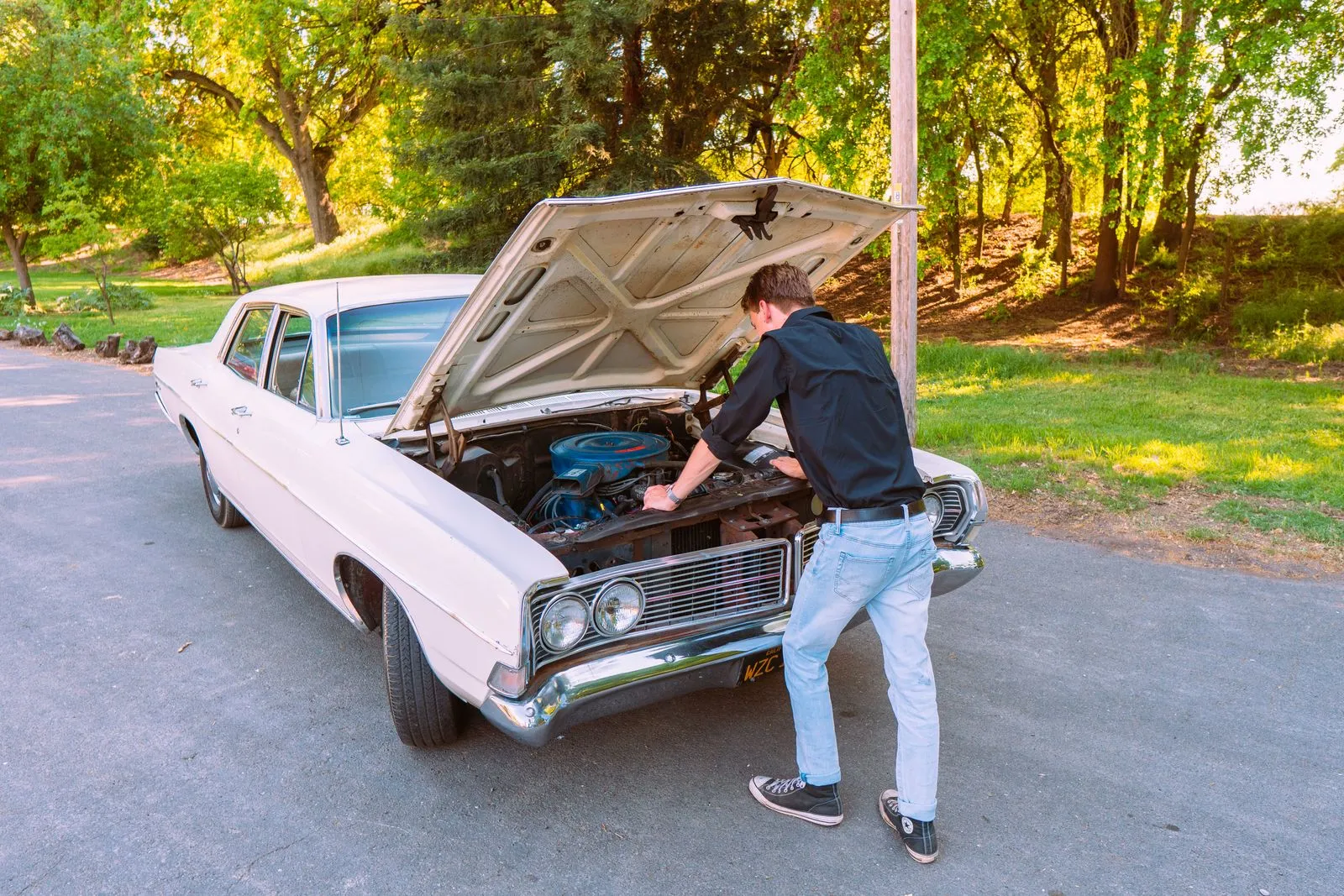
Classic cars often have braking systems that differ from modern vehicles, and age can make problems harder to spot. Pay attention to changes in how the car slows, sounds, or feels under your foot. Pulling to one side, new noises, or a pedal that sinks are reasons to take brake performance seriously. Some symptoms call for a prompt inspection; others mean you should stop driving and arrange a safe way to have the car checked.
The Car Pulls When Braking
If your classic car drifts or jerks to one side when you apply the brakes, one wheel may not be braking as effectively as the others. Possible causes include a sticking component, uneven adjustment, contaminated friction material, or a hydraulic issue. A pull can also come from tires or suspension, so the symptom alone does not identify the fault. Note when it happens and tell the mechanic whether it occurs during gentle or firm braking.
Avoid testing the problem at speed or making repeated hard stops to see whether it changes. If the pull is strong, the car is difficult to control, or it worsens quickly, stop in a safe place and arrange a tow or mobile inspection. Even a mild, repeatable pull deserves prompt attention before regular driving, particularly if the car has been stored or recently had brake work.
Listen for New Brake Sounds
A squeal, scrape, grinding sound, or repeated clunk during braking deserves investigation, especially if it is new. Some older vehicles may make occasional noise, but a persistent sound or one that changes with braking can point to worn or misadjusted parts, loose hardware, or contact where it should not occur. Pay attention to whether the noise comes from one wheel and whether it happens at low or high speed.
Grinding, metal-on-metal scraping, or a sudden loud change is a reason to stop driving as soon as you can do so safely. Continuing may damage parts and reduce braking ability. Don’t crawl under a car supported only by a jack to look for the cause. Arrange an inspection and describe the sound, when it began, and whether the pedal or steering also changed.
Notice Changes in Pedal Feel
A soft, spongy, or unusually low brake pedal is not normal simply because the car is old. The pedal may travel farther than usual, feel inconsistent, or sink while you hold steady pressure. These changes can indicate air or a leak in the hydraulic system, adjustment concerns, or another fault. A sudden change is especially urgent. Don’t pump the pedal and assume the brakes are safe because the feel briefly improves.
If the pedal sinks, reaches the floor, or braking takes much more effort, stop driving and arrange help. Check only what you can see safely: look for fluid beneath the parked car and for a brake warning light, but don’t rely on either being present. Do not add fluid as a substitute for finding a leak or having the system inspected.
Know When to Park It
Stop driving if braking becomes weak or unpredictable, the pedal drops or sinks, the car pulls sharply, or you hear grinding. Move out of traffic carefully, park on level ground if possible, and avoid driving the car to a repair shop. Use a tow or ask a qualified mobile mechanic to assess it where it is. If you’re unsure whether the car can stop safely, choose not to drive it.
For less dramatic but recurring symptoms—such as a light squeal, a small change in pedal travel, or a slight pull—book an inspection promptly and limit use until the cause is understood. Tell the mechanic what you noticed, when it occurs, and whether the vehicle has sat unused or had recent repairs. Island Classic Auto provides mobile classic-car mechanic service in Victoria, BC, for owners arranging an on-site assessment.
Brake warning signs can start as a sound or subtle change and become a safety problem. Treat a sinking pedal, grinding, weak braking, or a strong pull as a reason to park the car and arrange an inspection. For milder recurring symptoms, book a check before relying on the car for regular trips.