
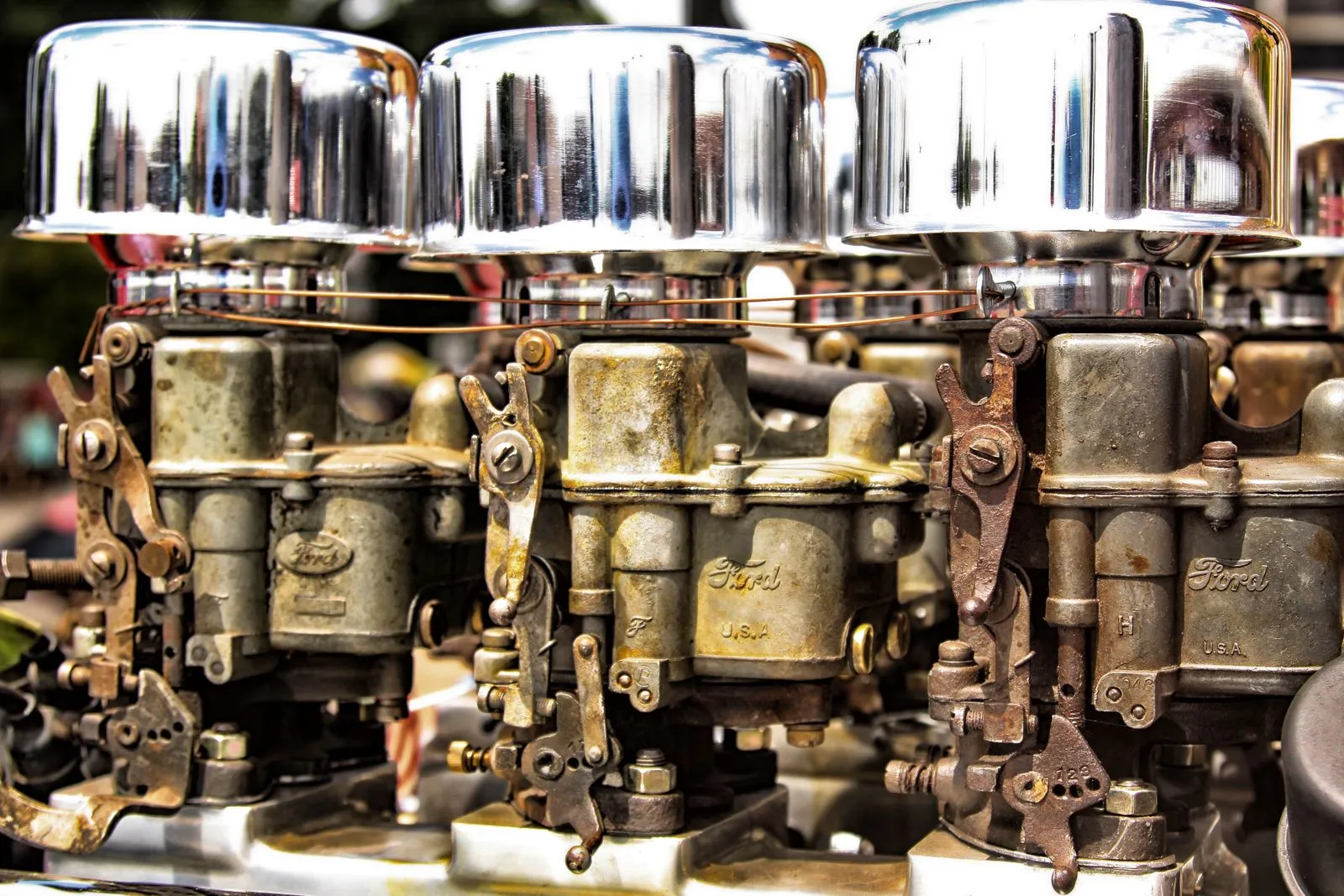
A classic car that has been parked through winter needs more than a quick start before returning to the road. Seals can dry out, tires can lose pressure, and stored fuel or a weak battery can cause trouble. Set aside time for a careful inspection, and work through the checks before driving. If you find a leak, damaged part, or uncertain brake response, address it first. A little preparation can help prevent a small issue from becoming a roadside problem.
Check Fluids and Look for Leaks
Park on level ground and check the engine oil, coolant, brake fluid, power steering fluid, and transmission fluid if your car uses them. Follow the owner’s manual for the correct checking procedure and fluid type. Look at fluid levels before starting the engine, and note any that are below the recommended range. Avoid mixing fluids unless you have confirmed they are compatible.
Inspect the ground beneath the car and look around hoses, the radiator, the engine, and the underside for fresh drips or damp spots. Check coolant hoses for cracks, swelling, or softness. A leak that appears minor can become serious once the engine warms and pressure builds. Find the source before driving rather than simply topping up and hoping it holds.
Inspect Tires and Brakes
Check tire pressure when the tires are cold, using the pressure listed in the vehicle manual or on the appropriate label—not the maximum pressure molded into the tire sidewall. Examine each tire for cracks, bulges, cuts, uneven wear, or a flat spot from sitting. Also inspect the spare, if the car carries one. A tire with visible damage or uncertain age should be assessed before road use.
Look through the wheels for obvious brake-fluid leaks, damaged lines, or heavily corroded components. Press the brake pedal before moving; it should feel firm rather than sink toward the floor. Once the car is in a safe, clear area, test the brakes at very low speed. Do not drive if the pedal feels soft, the car pulls sharply, or you hear grinding.
Test the Battery and Electricals
Check that the battery is secure and inspect its case and terminals for cracks, swelling, or corrosion. Clean corroded connections only with the proper precautions, and confirm the terminals are tight. If the battery sat unused for months, have its charge and condition tested. Use a charger or jump-start procedure suited to the vehicle’s electrical system, especially if the car has been modified or converted.
Before setting off, test the headlights, brake lights, turn signals, hazard lights, horn, and windshield wipers. Check that the gauges respond and that warning lights behave as expected. Older wiring can develop brittle insulation or loose connections while a vehicle is stored. If you notice a burning smell, repeated fuse failures, or exposed wiring, stop and have the electrical fault inspected.
Prepare for a Cautious First Drive
Inspect belts for cracks, fraying, or looseness, and check accessible hoses and visible wiring for deterioration. Clear leaves or debris from the engine compartment and air intake. Make sure the exhaust area is unobstructed, and check that the parking brake releases fully. Confirm that mirrors, seat belts, and the windshield give you a safe view before moving the car.
Start the engine and let it warm according to the vehicle’s normal operating guidance while watching the temperature gauge and listening for unusual noises. Take the first drive on a quiet route near home, keep it short, and avoid hard acceleration. Afterward, park on a clean surface and check again for leaks, smells, or changes in fluid levels. If anything seems wrong, arrange an inspection before driving farther.
A spring inspection helps you spot problems before traffic, distance, or heat puts extra strain on a stored classic. Take your time, follow the vehicle’s manual, and treat any uncertain brake, tire, fuel, or electrical issue as a reason to pause. If you’d like help checking your car before its first drive, contact Island Classic Auto.